

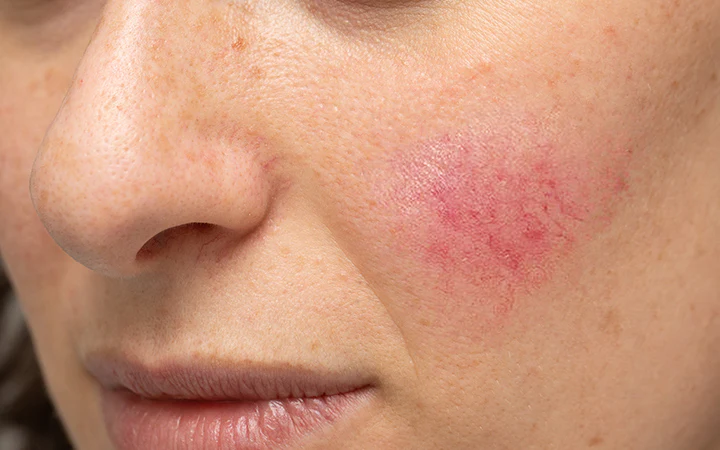
Are you dealing with persistent itching, painful rashes, redness, or recurring skin infections? Don’t ignore early symptoms that could worsen over time. If you’re searching for a trusted Skin Specialist near me or need expert treatment for Skin Infections in Mumbai, Dr. Uddhav Zambare provides accurate diagnosis and evidence-based dermatology care. Book your consultation today and take the first step toward healthier skin.
What Are Skin Infections?
Skin infections occur when harmful microorganisms such as bacteria, fungi, viruses, or parasites invade the skin. The skin acts as a protective barrier, but factors like excessive sweating, minor cuts, weak immunity, and improper hygiene can make it vulnerable.
Some infections remain superficial, while others may spread deeper into the skin layers if untreated. Early medical attention helps prevent complications such as scarring, chronic inflammation, and recurrence.
Types of Skin Infections
Fungal Infections
Fungal infections are extremely common, particularly in warm and humid climates. Conditions like ringworm and athlete’s foot usually appear as red, circular, itchy patches with scaling. Sweat retention and tight clothing often aggravate these infections. Without proper antifungal treatment, they may spread to other areas of the body.
Bacterial Infections
Bacterial infections occur when bacteria enter through cuts, insect bites, or irritated skin. Common examples include boils, impetigo, and cellulitis. Symptoms typically include redness, swelling, warmth, tenderness, and sometimes pus formation. Prompt antibiotic treatment is important to prevent further spread.
Viral Skin Infections
Viral infections such as herpes simplex and certain types of warts may cause blisters or raised skin growths. These infections can recur, especially during periods of stress or low immunity. Proper antiviral management helps reduce outbreaks and discomfort.
Parasitic Infections
Parasitic infections like scabies are caused by microscopic mites burrowing into the skin. They often result in intense itching and rash and are highly contagious. Specific medical treatment is required for complete recovery.
Common Symptoms of Skin Infections
Although symptoms vary depending on the cause, common warning signs include persistent itching, redness, swelling, burning sensation, pus discharge, pain, and skin peeling. In more severe cases, fever or rapidly spreading redness may occur.
If symptoms persist beyond a few days or worsen quickly, professional evaluation is necessary. Ignoring early signs may lead to more serious complications and a longer recovery time.
Causes and Risk Factors
Skin infections can develop due to multiple factors. Excessive sweating creates a moist environment ideal for fungal growth. Minor injuries provide entry points for bacteria. Individuals with diabetes, weakened immunity, or chronic skin conditions are at increased risk.
Sharing personal items like towels or razors can spread infections. Repeated scratching due to itching can also damage the skin barrier, allowing microorganisms to enter more easily.
Environmental factors, stress, and poor skincare practices further contribute to vulnerability.
How Skin Infections Are Diagnosed
Accurate diagnosis is essential for effective treatment. A detailed clinical examination helps identify the type and severity of infection. In some cases, laboratory tests such as skin scrapings, swabs, or cultures may be required to determine the exact cause.
Under the care of Dr. Uddhav Zambare, patients receive a thorough evaluation to ensure that treatment addresses the root cause rather than only relieving symptoms temporarily.
Treatment Options for Skin Infections
Treatment depends on the nature of the infection. Fungal infections are managed with antifungal creams or oral medications. Bacterial infections require appropriate antibiotics to control the spread and inflammation. Viral infections may need antiviral therapy, while parasitic infections are treated with specialized topical solutions.
Using over-the-counter steroid creams without medical advice can worsen certain infections, especially fungal ones. Professional supervision ensures safe and effective recovery.
In addition to medication, patients are guided on hygiene practices and preventive measures to reduce recurrence.
Prevention Tips for Healthy Skin
Maintaining proper hygiene is the first step toward prevention. Keep your skin clean and dry, especially in areas prone to sweating. Wear breathable clothing to reduce moisture buildup. Avoid sharing personal items and ensure proper wound care for cuts and abrasions.
A balanced diet, sufficient hydration, and stress management support immune health, which plays a vital role in preventing infections.
Regular dermatology check-ups are recommended for individuals experiencing frequent or recurring skin issues.
When Should You See a Dermatologist?
Consult a specialist if the infection spreads rapidly, becomes painful, produces pus, or does not improve within a week. Individuals with underlying medical conditions such as diabetes should seek early medical advice.
Prompt consultation ensures faster recovery and reduces the risk of complications.
Frequently Asked Questions (FAQs)
1. Are skin infections contagious?
Some skin infections, particularly fungal and bacterial types, can spread through direct contact or shared personal items. Early treatment helps prevent transmission.
2. Can skin infections resolve without treatment?
Mild infections may improve, but many require medical care. Delaying treatment can worsen the condition and increase the risk.
3. How long does treatment usually take?
Recovery time varies depending on the type and severity of infection. Most cases improve within one to four weeks with appropriate treatment and follow-up.
Take the First Step Toward Healthy Skin
Ignoring itching, redness, or recurring rashes can lead to more serious complications. If you are searching for a reliable Skin Specialist near me or need expert care for Skin Infections in Mumbai, Dr. Uddhav Zambare provides comprehensive diagnosis, personalized treatment plans, and long-term prevention strategies.
With a patient-focused and evidence-based approach, Dr. Uddhav Zambare ensures that your skin receives the right care at the right time. Schedule your consultation today and regain confidence with healthier, infection-free skin.